Key takeaways
- Of the 1,843 samples analyzed by CCPA, starch content averages 24.0% of dry matter (DM) in 2026, compared to 33.8% in 2025.
- 2026 corn is more fibrous, but its fiber remains relatively digestible (average dNDF: 58.9%).
- Energy value is down: 0.90 UFL and 0.80 UFV per kg of DM on average.
- Variation between corn samples is very pronounced (starch standard deviation: 10.4, compared to 5 in 2025): it’s better to analyze your silage than to rely on averages.
What is the quality of corn silage in 2026?
Each year, CCPA carries out several thousand corn analyses for its members, making it possible to closely monitor changes in their nutritional value.
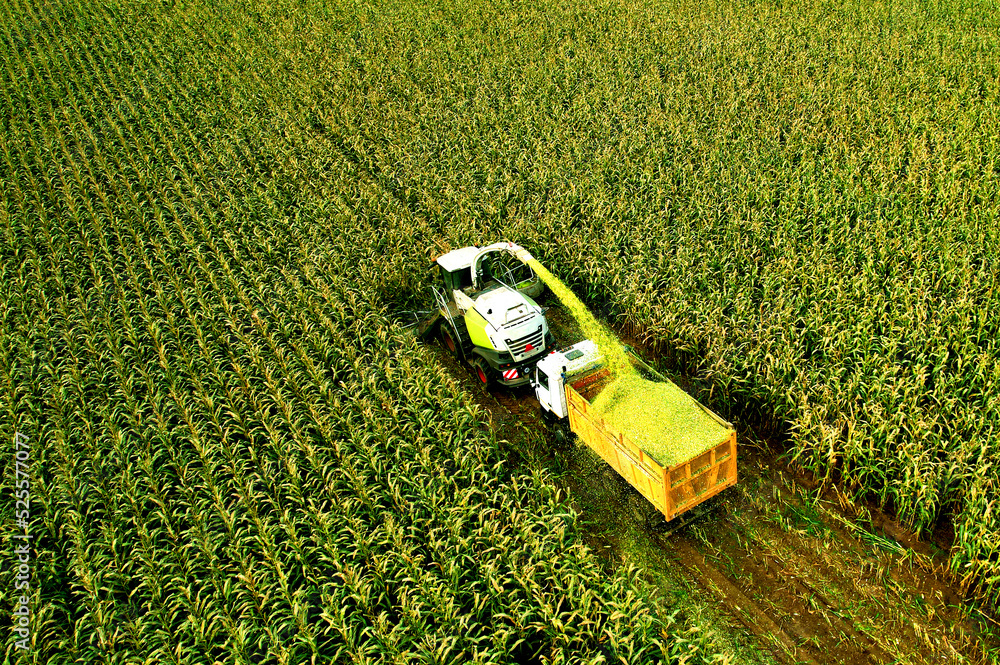
For the 2026 season, the first results concern 1,843 samples of corn silage, about 80% of which come from western France.
This snapshot of the harvest reveals a fairly clear break from 2025. Corn is generally lower in starch, more fibrous, and less energy-dense.
Average starch content thus reaches only 24.0% of DM, compared to 33.8% in 2025.
Why is 2026 corn lower in starch?
Starch in corn silage primarily comes from the grains. Its concentration therefore heavily depends on the proportion of grain in the whole plant and the level of grain filling.
However, climatic conditions encountered during the corn cycle can significantly disrupt this grain yield development.
When corn experiences water stress and high temperatures, several phenomena can combine:
- disrupted plant growth;
- more difficult ear fertilization when stress occurs around flowering;
- a potentially reduced number of grains;
- impaired grain filling if water shortage continues after flowering.
The reduced contribution of grain to total dry matter largely explains the observed decrease in starch concentration in silages.
Less starch… and more fiber
This decrease in grain proportion mechanically alters the forage profile. The stem-leaf fraction proportionally represents a larger share of the harvested dry matter.
2026 analyses confirm this with an average cellulose content of 21.2% of DM.
But more fiber does not necessarily mean poorer forage quality.
The average dNDF (NDF digestibility) level reaches 58.9%, indicating interesting digestibility of the fibrous fraction. Cows will therefore be able to utilize part of this energy through fiber digestion in the rumen.
This is one of the particularities of this campaign: corn that is more fibrous and lower in starch, but whose fibers remain relatively digestible.
Reduced energy density: 0.90 UFL and 0.80 UFV per kg of DM
The direct consequence is nevertheless reflected in the energy value of the silages.
Average levels reach 0.90 UFL/kg DM and 0.80 UFV/kg DM (milk and meat forage units).
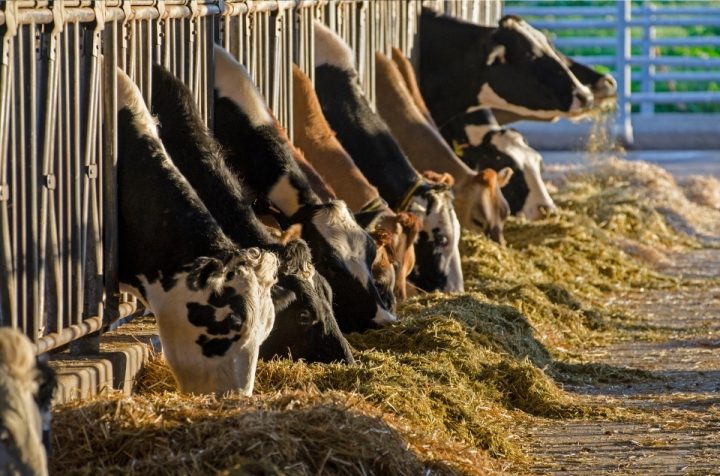
For an equivalent amount of corn dry matter ingested, the cows’ ration may therefore provide less energy than with a silage richer in starch.
For animals with high requirements, and particularly high-yielding dairy cows or those in early lactation, the goal will be to find the right balance between:
- intake;
- fiber utilization;
- supplementary energy intake;
- ruminal safety.
Why analyze your corn silage?
The main lesson from this season, however, remains the very high heterogeneity of harvested corn (starch standard deviation: 10.4 in 2026, compared to 5 in 2025).
Behind the average of 24% starch lie very different situations: plots more or less affected by water stress, different sowing and harvesting dates, varietal earliness, soil types, and varying maturity levels at harvest.
Two silos harvested in 2026 can therefore present very different nutritional profiles.
In this context, formulating a ration based on average values presents a real risk. Only forage analysis allows for precise knowledge of what is being fed to animals, from dry matter content to feed value.
To obtain these benchmarks for your own silos, CCPA performs forage analyses in its analysis laboratories and offers NIR analysis with NIR2U.
In 2026: analyze your forage to better adjust the ration
Given the heterogeneity of 2026 corn silages, forage analysis is the starting point for helping farmers adapt the ration to each farm’s situation.
The nutritional values obtained can then be integrated into Chorus to readjust rationing based on the actual silage profile and the farm’s objectives.
How to adapt the ration to the corn silage profile?
Forage analysis is most meaningful when it translates concretely into the ration.
Based on the measured values, a herd management software such as Chorus can adjust rationing by taking into account the actual nutritional profile of the silage and the herd’s objectives.
With 2026 corn being lower in starch, the search for supplementary energy may notably lead to increasing the proportion of cereal grains, which are rich in rapidly fermentable starch. However, this strategy must be carefully considered to preserve ruminal balance.
In rations where the proportion of rapidly fermentable starch increases, Amiviv supports the securing of ruminal digestion, in order to reconcile energy supply and proper rumen function.
In 2026 more than ever: analyze your silage, adjust with Chorus, and secure the ration with Amiviv.
To adapt your rations to your corn silages, discover our solutions for ruminant nutrition and contact your CCPA representatives.