Poultry feed efficiency



Poultry nutrition must meet the specific needs of each production system while addressing challenges related to animal performance, feed efficiency and cost management. CCPA Group supports poultry industry professionals with nutritional solutions tailored to the practical needs of poultry farming.
Nutrition plays a key role in poultry production. The nutritional requirements of poultry vary depending on species, production type, age and physiological stage. Feeding programmes must therefore be adapted to each stage of development and the production objectives of the farm.
Feed formulation relies on a thorough understanding of feed ingredients and their nutritional value. It helps provide birds with balanced diets tailored to their specific requirements.
CCPA Group supports feed manufacturers and poultry industry professionals through its expertise in animal nutrition and production science. This expertise, serving poultry farmers, is part of the Group’s broader vision of animal nutrition: Enhanced Nutrition.
This approach combines biological insights, knowledge of feed ingredients, on-farm data and practical expertise to develop nutritional solutions that address the challenges faced by poultry producers.
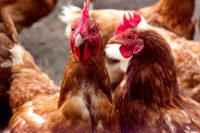
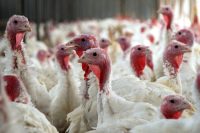

Poultry production encompasses a wide range of farming systems and production objectives. Management practices and performance targets can vary significantly from one farm to another. CCPA Group supports all major poultry production sectors, including broilers, laying hens, turkeys, ducks, guinea fowl and breeder flocks.
Nutritional requirements also change throughout the production cycle. Feed composition must therefore evolve to meet the changing needs of the birds. Feed intake varies according to age, production stage and farming system.
In broiler production, feeding programmes must support the different stages of growth. Broilers’ nutritional requirements change rapidly with age, making it essential to adapt feed formulations at each stage.
Broiler feed formulation is based on a detailed understanding of the birds’ nutritional requirements and the available feed ingredients. This enables energy levels and nutrient supply to be adjusted accordingly. Proteins, amino acids, vitamins, minerals and trace elements are among the key nutrients considered when meeting the nutritional needs of broilers.
Cereals and various protein sources can be included in feed formulations. Their nutritional value, energy content and digestibility are all taken into account to ensure that diets meet the birds’ requirements.
Other nutrients, such as fats and trace elements, also contribute to a balanced nutritional profile. Nutritional solutions, including plant-based extracts, can be incorporated into feeding strategies to address specific challenges in poultry production.
Feed intake is another important factor. Feed efficiency reflects the relationship between feed consumption and animal performance, making it a key consideration in broiler production.
Farming conditions can also influence feed intake. During periods of heat stress, for example, birds may reduce their feed consumption. Nutritional strategies can be adjusted to help address these challenges.
In laying hen production, nutritional requirements evolve with age and the stage of lay. Feeding programmes must therefore be adapted throughout the laying cycle.
Layer feed formulation takes into account the birds’ nutritional needs and the farm’s production objectives. Nutrient supply can be adjusted according to the different stages of production, with particular attention to energy, proteins, amino acids, vitamins, minerals and trace elements. Calcium and phosphorus are also essential considerations in laying hen nutrition.
Feed intake is another key parameter that must be monitored to adjust nutrient supply throughout the laying period.
Laying hen nutrition is closely linked to overall flock management. Environmental conditions, including temperature, can influence feed intake and production performance.
Several performance indicators can be monitored in laying hen production, including laying rate and egg production. Egg quality and feed efficiency are also important parameters.
In poultry breeder operations, feeding programmes must be tailored to the birds’ nutritional requirements and the different stages of reproduction. Nutritional management takes into account breeder development, body condition and hatching egg production objectives.
Feed formulation enables energy and nutrient supply to be adjusted according to the birds’ physiological stage. Hatching egg quality, hatchability and chick quality are also key considerations in breeder production.
CCPA Group supports breeder operations through its expertise in animal nutrition and its range of nutritional solutions. Some of these solutions are specifically designed to address challenges related to reproduction, cellular protection and animal performance.
In turkey production, nutritional requirements change throughout the growth period. Turkey nutrition must therefore be adapted to the different stages of development and the farm’s production objectives.
As with broilers, feed formulation is based on a thorough understanding of nutritional requirements and feed ingredients. Feed composition is adjusted as the birds’ needs evolve.
Feed intake and farming conditions are also taken into account when developing nutritional strategies.
Optimising feed costs is a major challenge for feed manufacturers. In poultry nutrition, feed formulation aims to achieve the best balance between the birds’ nutritional requirements, the availability of feed ingredients and their cost. It helps control formulation costs while supporting on-farm performance objectives.
To develop compound feeds suited to each type of poultry production, formulation draws on the nutritional value and digestibility of cereals and protein sources. CCPA Group’s formulation expertise combines in-depth knowledge of feed ingredients, laboratory analyses, on-farm data and a continuously evolving nutritional matrix.
The Group supports feed manufacturers and poultry industry professionals throughout the process, from formulation to feed production. Premixes, concentrates and feed solutions complement this approach, addressing the diverse nutritional needs of poultry production.
Nutrition cannot be considered separately from farming conditions. Feed efficiency, digestive health and heat stress are among the major challenges facing poultry producers.
Poultry digestive security is a particularly important area. The gut microbiota, intestinal integrity and digestive function all play a role in nutrient digestion and utilisation.
High temperatures present another challenge for the poultry industry. Heat stress can lead to reduced feed intake, making it necessary to adapt nutritional strategies to help birds cope during these periods.
For CCPA Group, poultry nutrition is part of a comprehensive approach known as Enhanced Nutrition, which combines biological sciences, animal nutrition expertise and advanced technologies. This approach takes into account the specific characteristics of each farm and its environment to develop increasingly precise nutritional solutions tailored to practical farming conditions.
Enhanced Nutrition brings together the Group’s scientific, nutritional, animal production and digital expertise.
Digital tools further enhance this expertise. Acari Tool® supports the monitoring of poultry red mites in laying hen operations, while ThermoTool® helps assess the risk of heat stress and supports the management of high-risk periods.
Optimise animal performance and welfare under challenging farming conditions.
Support your animals’ digestive comfort.

Support your animals’ liver function and contribute to their well-being.

Minimise the impact of mycotoxins – aflatoxins.
Support your animals' performance in the presence of coccidia.


Measure and assess the impact of heat stress on your animals.

Assess and control red mite infestations in laying hen flocks.