Feed efficiency in ruminants



Ruminant nutrition must meet the specific needs of each farm, while addressing challenges related to technical and economic performance, feed efficiency and feed cost management. CCPA Group brings its expertise to the ruminant sector, providing nutritional solutions tailored to the realities of livestock farming.
Cattle, sheep and goats have nutritional requirements that evolve throughout their production cycles. Feeding strategies must therefore be adapted to the species, physiological stage, production level and objectives of each farm.
Forage quality and ration balance are key considerations. Supplementation can then be used to adjust nutrient intake to meet the animals’ requirements. These parameters vary depending on available resources, the forage system and the practices of each farm.
CCPA Group supports stakeholders across the ruminant sector through its expertise in animal nutrition and zootechnics, as well as its vision of animal nutrition: Augmented Nutrition.
This approach combines an understanding of biological processes, knowledge of raw materials, farm data and field expertise to develop nutritional solutions tailored to the challenges faced by livestock farmers.
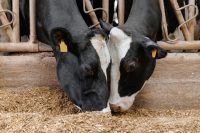
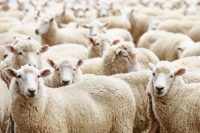
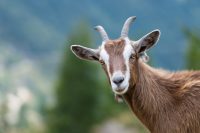
Ruminants have a digestive system that enables them to make effective use of fibre-rich feeds, particularly forages. The rumen plays a central role in this process. Fermentation processes within the rumen contribute to feed digestion.
Grazed grass, hay, grass silage and maize silage can all be included in the diets of cattle, sheep and goats. Depending on the farming system, other feed ingredients may be used to complement the basal ration.
Concentrate feeds or mineral supplements may also be included.
Several factors must be considered when planning feeding strategies for the herd. These include feed composition and quality, digestibility and feed intake. Forage analysis provides a better understanding of nutritional value and helps optimise ration formulation.
Ruminant farming encompasses a wide variety of production systems. Dairy cattle farming, suckler cow farming, beef fattening operations, sheep farming and goat farming each have their own specific objectives.
Cattle, sheep and goat nutrition must therefore take into account the characteristics of each farming system. Feeding strategies must also be adapted to the different categories of animals within the herd or flock.
In dairy farming, cows’ nutritional requirements change throughout the production cycle. Dairy cow feeding strategies must be adapted to each physiological stage, particularly during the dry period, pre-calving and the lactation start.
Forages play an important role in dairy cow diets. Their composition varies depending on the forage system and the season. They may include grazed grass, hay or different types of silage. Other feed ingredients or concentrates can be added to the ration, depending on the animals’ requirements and the resources available on the farm.
Understanding the nutritional value of forages helps characterise the basal ration and adjust supplementation. Dairy cow rationing must also take into account feed intake capacity. Dry matter intake is therefore an important indicator for assessing the relationship between nutrient intake and milk production.
Dairy herd nutrition cannot, however, be considered independently of overall herd management.
The animals’ physiological stage, their environment and climatic conditions must also be taken into account. During periods of heat stress in ruminants, for example, feed intake may decrease, making it necessary to adjust the feeding strategy.
Dairy cow nutrition must therefore take into account both the animals’ requirements and the available ration. It must also address the various challenges faced by dairy farms, including technical and economic performance, animal health and welfare, environmental impact and resilience.
In suckler cow and beef fattening systems, nutritional objectives differ from those of dairy farming. Cattle feeding strategies must be adapted to the different stages of the production cycle and to beef production objectives.
The nutritional requirements of suckler cows, calves and growing cattle are not the same. Feeding strategies and nutrient supply must evolve according to the animals’ production stage. Requirements differ particularly during growth, gestation, lactation and fattening.
Here again, forages and the resources available on the farm form an important part of the ration. Assessing their characteristics helps determine how best to use them and whether additional supplementation is required.
Ration formulation therefore makes it possible to adjust diets according to the animals’ requirements and the available feed resources. It also takes into account the farm’s technical and economic objectives.
In both sheep and goat farming, nutritional requirements vary according to the animals’ physiological stage and production level. Ewes, goats and young animals therefore have different nutritional needs throughout their production cycles.
Gestation, lactation and growth are periods that require adjustments to nutrient supply. As with cattle, forages are an important component of the diet. Depending on the production system, they may be consumed through grazing or supplied as conserved forages.
Knowledge of forages and feed ingredients helps improve ration planning. Ration balance and supplementation can then be adapted to the characteristics and objectives of each sheep or goat farm.
Effective ruminant nutrition requires detailed knowledge of the ingredients, raw materials and feeds provided to the animals. Forage quality can vary depending on numerous factors. Analysis makes it possible to determine its nutritional value and incorporate this information into the formulation of rations tailored to the objectives of each farm.
Rationing then helps match available feed resources with the nutritional requirements of the herd or flock. It can also contribute to managing feed costs, which are an important factor in the technical and economic performance of livestock farms.
For CCPA Group, ruminant nutrition is part of a comprehensive approach known as Enhanced Nutrition, combining life sciences, animal nutrition expertise and advanced technologies. This approach takes into account the specific characteristics of each farm and its environment to provide increasingly precise nutritional solutions tailored to real farming conditions.
CCPA Group teams combine nutritional and zootechnical expertise, field knowledge and digital tools to support stakeholders across the ruminant sector.
Chorus® is a ruminant ration formulation software solution that enables the calculation, optimisation and monitoring of diets for cattle, sheep and goats. Farm-E-Val® is a technical and economic analysis tool for dairy farms, enabling real-time monitoring of farm performance. Morphoscore® complements this approach by monitoring dairy heifer development through image analysis.
This expertise enables CCPA Group to support the ruminant sector in addressing various challenges encountered on farms. These include feed efficiency, ration cost management, the onset of lactation and heat stress in ruminants. CCPA combines nutrition, formulation and decision-support tools. This approach is adapted to the different cattle, sheep and goat farming systems.
Optimise animal performance and welfare under challenging farming conditions.
Optimise food costs and help reduce your environmental footprint.
Minimise the impact of mycotoxins – aflatoxins.
Support your animals during periods of heat stress.


Measure and assess the impact of heat stress on your animals.
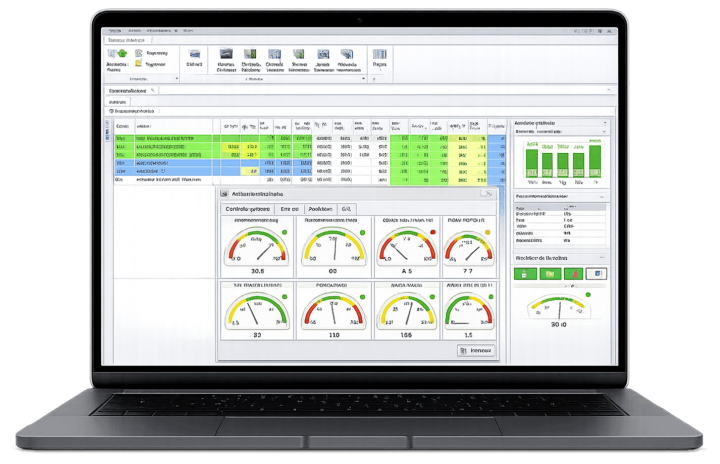
Optimise your ruminants’ feed rations to improve the performance of your livestock.
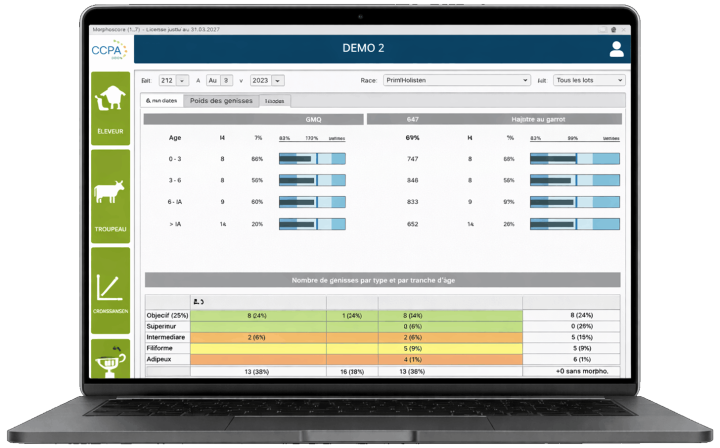
Improve your performance by optimizing the development of your heifers.
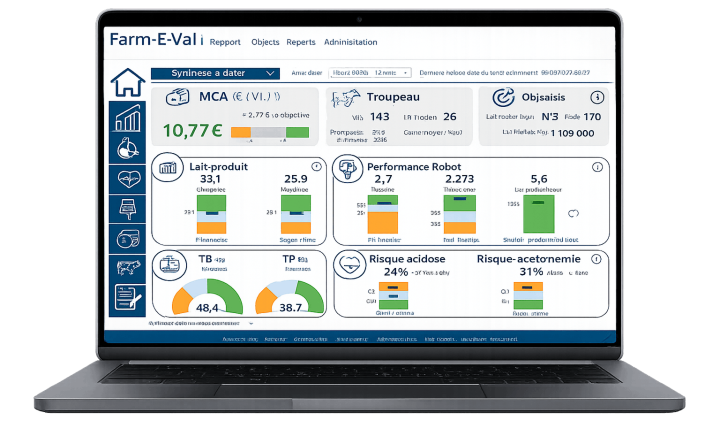
Turn your livestock data into practical decisions and performance drivers.