Vivactiv
Optimise food costs and help reduce your environmental footprint.
Product for
ruminant

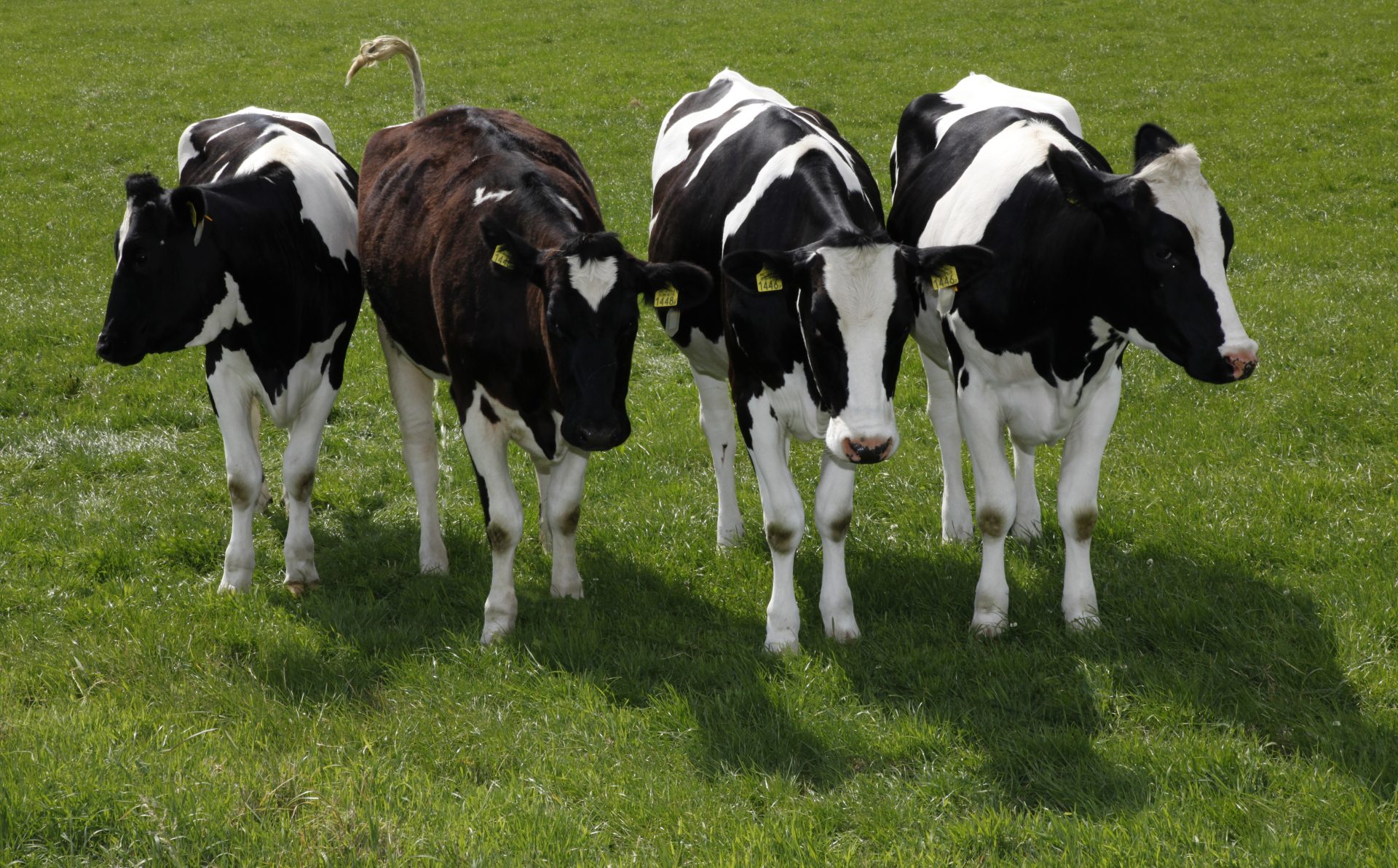
In dairy operations, herd replacement represents one of the major investment outlays, with the rearing cost of a dairy heifer estimated between €1,300 and €1,900.
Controlling this cost relies notably on achieving an optimal age at first calving, which reduces the heifers’ unproductive period and the environmental footprint of rearing them. Beyond these factors, dairy heifer management directly influences future herd performance.
Research conducted by CCPA demonstrates that controlled growth, harmonious morphological development, and sound digestive system establishment help prepare future dairy cows to express their full milk production potential.
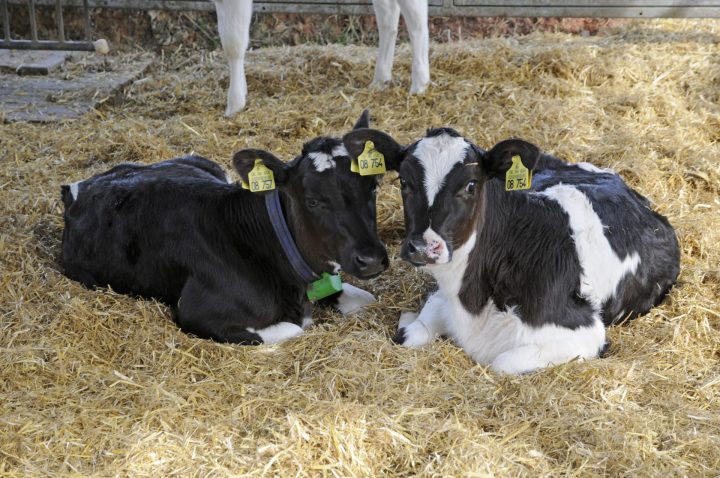
Successful herd replacement depends on mastering the early stages of life, digestive development, and heifer growth.
To support farmers, CCPA relies on 360° expertise in dairy heifer rearing to prepare the performance of future dairy cows. This approach translates into nutritional plans and rearing protocols tailored to each stage of their development.
Dairy heifer rearing, from birth to weaning, is a critical stage for the success of dairy herd replacement. The first days of life are particularly vital. Checking colostrum quality (Brix > 23°) and implementing good farming practices (isolating sick calves, strict biosecurity downtime, etc.) are key drivers. A CCPA study (2015) demonstrated their positive impact on heifer growth and body weight at 6 months.
Successfully managing the transition from liquid feeding to solid feed is also a key milestone in calf nutrition to sustain heifer growth at weaning. From the very first weeks, providing a palatable starter feed promotes progressive rumen development (development of rumen papillae). Introducing straw is recommended and helps stimulate rumen motility. Providing ad libitum clean water is also essential for proper heifer development.
Weaning must be gradual, ideally over about three weeks, to allow the digestive system time to adapt to solid feeds. The key goal is to achieve an adequate starter feed intake of approximately 2 kg/day (CCPA benchmark).
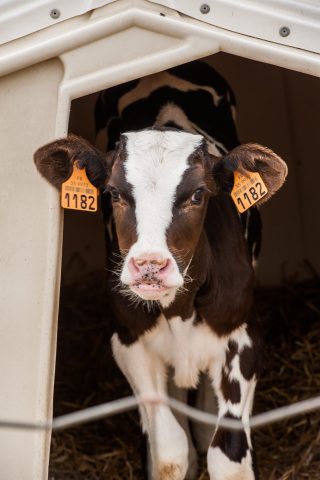 Monitoring growth and morphological development in dairy heifers
Heifer growth must be monitored and steered to meet target development goals. Today, more than 40% of heifers aged 0 to 15 months exhibit insufficient skeletal and physical development (too small and too light), while 15% are over-conditioned. These structural discrepancies can impair future milk performance.
In a 2019 CCPA study conducted on 1,300 heifers, a 10% increase in the withers height target was associated with a milk yield gain of 580 kg in first lactation and 440 kg in second lactation.
To help farmers manage this growth and achieve their development objectives, CCPA developed Morphoscore, a replacement herd management software that monitors dairy heifer morphology and identifies deviations from target goals.
An adequate supply of vitamins and trace elements helps support heifer growth and immunity while preparing them for future breeding. To meet these evolving requirements, CCPA relies on the latest nutritional recommendations to formulate solutions tailored to each stage of cattle rearing.
Combined with mineral nutrition management through Chorus®, our ration formulation software, this expertise helps achieve heifer growth targets and prepares the performance of future dairy cows.
Feed is the largest expenditure item in dairy heifer rearing costs. The objective is not to cut nutrient supply, but to optimize ration cost to meet targeted goals.
CCPA’s approach builds on 3 complementary levers:
Maximizing feed efficiency
With Morphostar, promote early rumen development (size, papillae, and rumen flora), growth, and digestive comfort in heifers.
Optimizing feed costs
With Vivactiv’® Junior, stimulate enzyme secretion and ration assimilation.
Promoting early intake
Rely on CCPA’s expertise in palatability, raw material selection, and specific ingredients to secure intake from the earliest age.
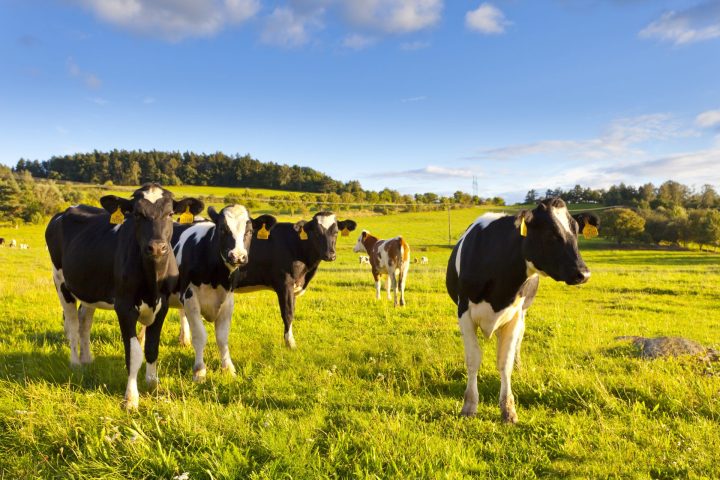
Dairy heifer rearing contributes significantly to the carbon footprint of the dairy enterprise.
Achieving an optimal age at first calving (<24 months), coupled with sound feed efficiency and controlled growth, helps reduce non-productive days and resources mobilized prior to entering production.
Improving replacement efficiency thus helps align economic performance with farm sustainability.
Optimise food costs and help reduce your environmental footprint.
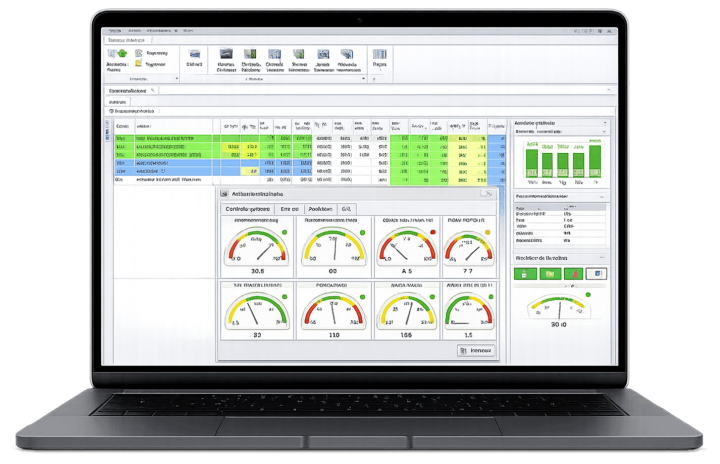
Optimise your ruminants’ feed rations to improve the performance of your livestock.
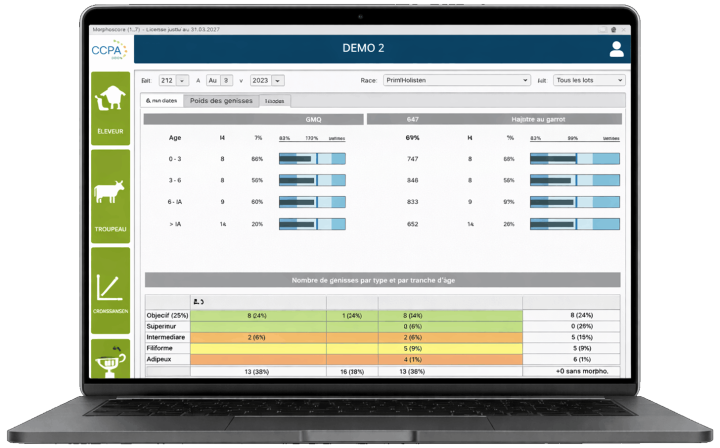
Improve your performance by optimizing the development of your heifers.