
Understanding lactation: physiological challenges and key factors in livestock farming

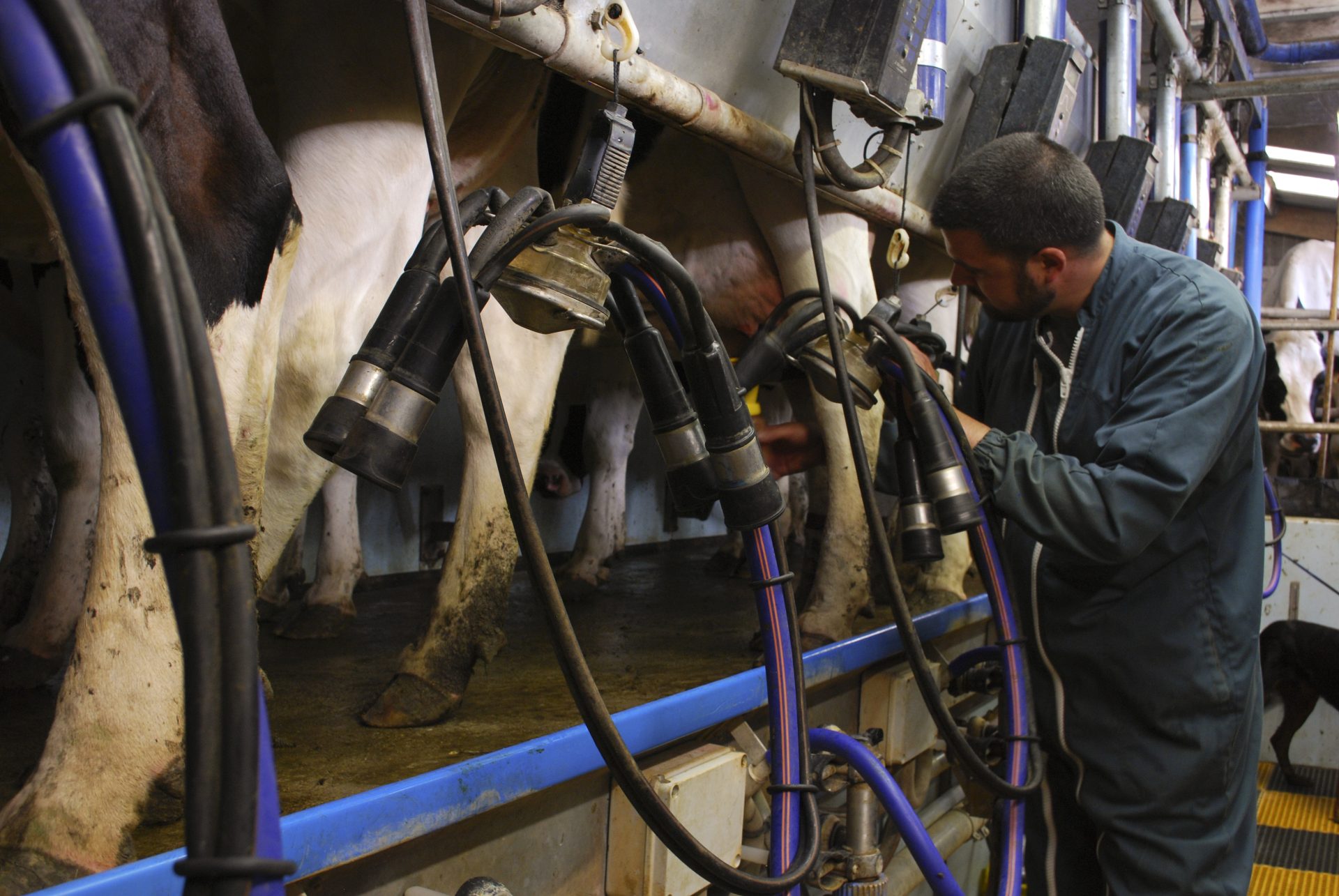
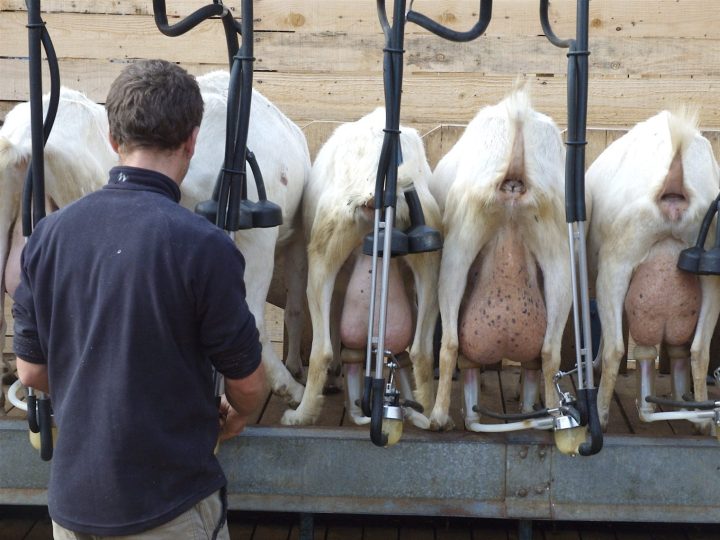
The beginning of lactation is one of the most demanding phases in the life of a milk-producing animal. It is also one of the most critical: what occurs during this period determines productive performance, maternal body condition, colostrum quality, and the proper start for newborns.

Proper preparation in advance, combined with rigorous nutritional monitoring, makes all the difference.

A Critical Physiological Period

What is the lactation start-up?

The lactation start-up is a moment of intense physiological transition: the maternal organism must recover from the stress generated by parturition, cope with a rapid increase in requirements related to milk production, while feed intake capacity remains limited.

In certain species, this phase is also accompanied by the preparation of a new reproductive cycle. This gap between requirements and intake weakens the animals and increases the risk of imbalances.

Why make it a priority?

The consequences of a poorly managed lactation start-up can have a lasting impact on farm performance.

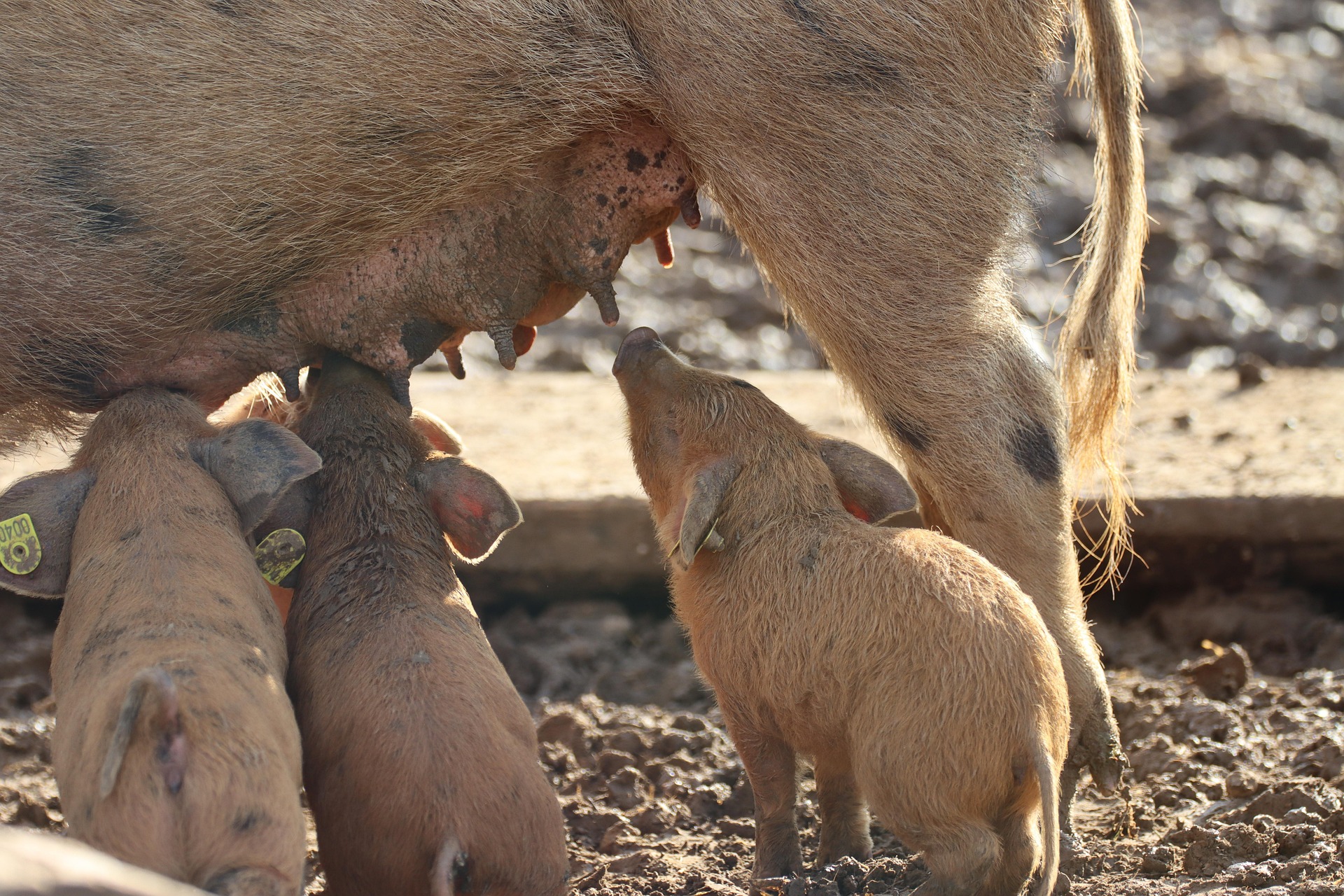
In ruminants, the first 100 days of lactation account for half of the total production: an insufficient lactation peak cannot be recovered later. In sows, insufficient lactation is the second culling criterion, just after health problems.

In both cases, the repercussions extend beyond milk production alone: newborn vitality, colostrum quality, growth, maternal body condition, and overall farm profitability are directly affected.

Managing the lactation start-up enables:

  • Maximize productive performance by promoting successful milk production increase and supporting production throughout the entire period.

  • Preserve maternal health by limiting nutritional imbalances, metabolic diseases, and peri-partum disorders.

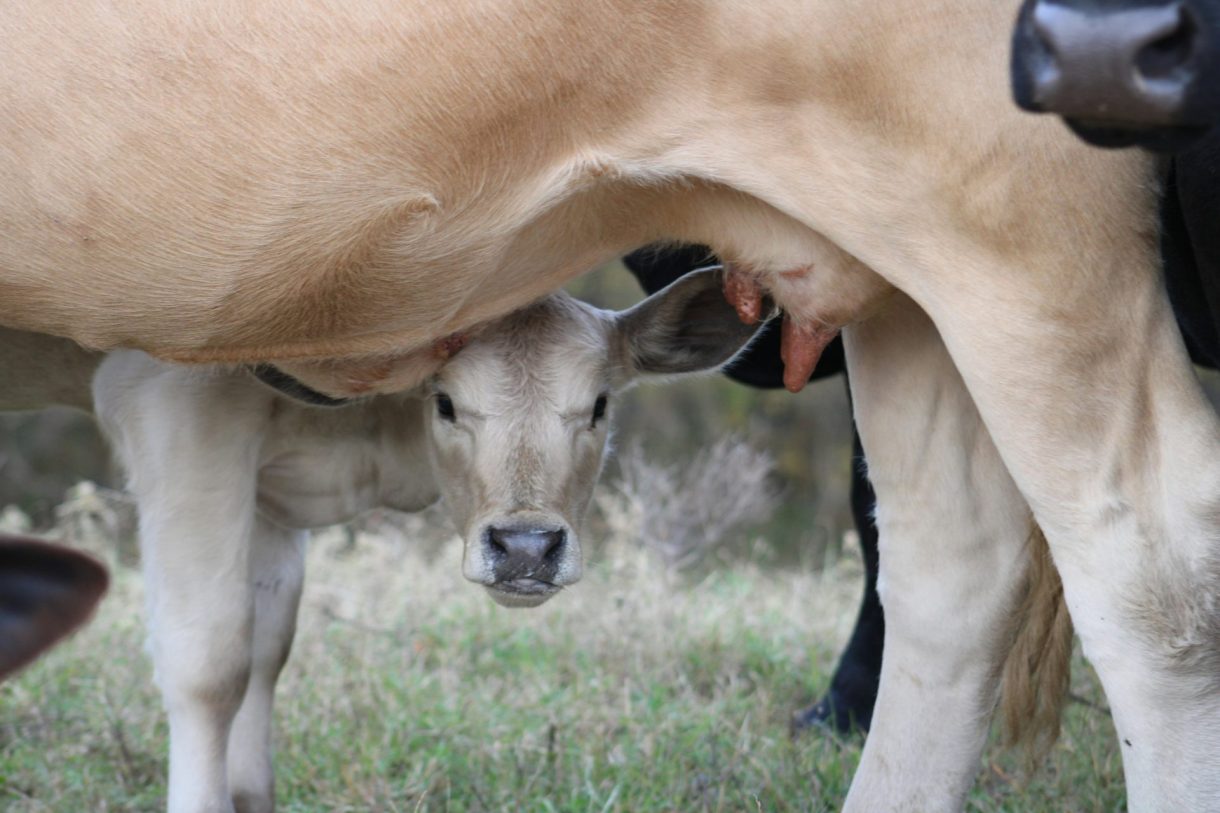
  • Ensure a good start for newborns through quality colostrum and sufficient milk production.

  • Maintain female body condition to secure performance in the following production cycle.

  • Improve farm profitability by avoiding losses related to production declines, health disorders, and premature culling.

Risks modulated by several factors

The expression of difficulties at lactation start-up results from the interaction between several dimensions:

  • The species and physiological stage

    Animals with high production levels or engaged in demanding physiological cycles experience increased stress at the beginning of lactation.

  • Nutritional status at the end of gestation:

    Proper preparation in the final weeks before calving directly determines the quality of the start-up.

  • Feed intake capacity versus requirement density:

    At the beginning of lactation, requirements increase very rapidly while intake remains limited, which requires a very precisely formulated ration.

  • Farming conditions

    Management practices, building environment, health status, and, depending on the species, heat stress directly influence the success of this phase.

Acting on lactation start-up therefore requires a comprehensive approach: preparing animals in advance, adjusting the ration precisely, and implementing appropriate nutritional solutions to navigate this period without compromising health or performance.

Products that optimize lactation start-up

    Feedstim

    Optimise animal performance and welfare under challenging farming conditions.

    Product for pig ruminant chicken

Our associated digital solutions

Discover how our digital tools support you in your farming practices.

See all digital solutions

Farm-E-Val

Turn your livestock data into practical decisions and performance drivers.

Our associated scientific publications

Discover the studies and scientific research associated with our solutions.

Do you have a question?
Need to speak with one of our advisors?

Contact us